
You turn the key and hear only a click. The engine stays silent, and your heart sinks. You are stuck in a parking lot with a dead car. Do not panic. You will learn the exact tricks to bypass a bad solenoid and get your engine to fire up today.
You need to locate the starter motor under the hood. Take a metal screwdriver with a rubber handle. Touch the two big metal terminals on the back of the starter. This creates a bridge to bypass the solenoid. It will spark, so be careful. This jump starts the motor if the solenoid is the only fault.
Signs of a Bad Solenoid
When your car refuses to start, the culprit is often hiding near the engine block. You need to know if the part is truly dead, or if you just have a loose connection. Let us look at how these parts fail, so you can avoid a wasted trip to the shop.
The Clicking Sound
You turn the key and hear a sharp click. This sound comes from the relay trying to push the gear out. If the solenoid is burnt or stuck, the gear never moves. You hear the click, but the engine stays still. This is the most common sign of a total failure.
Dead Battery Confusion
People often blame the battery when the car will not turn over. A flat battery makes a rapid buzzing noise, while a bad solenoid makes a single loud click. Check your lights first. If your headlights are bright, the battery has power. The problem lies in the starter or the solenoid.
Heat Soak Issues
Sometimes the car starts fine when cold, but fails after a long drive. This is called heat soak. The metal inside the solenoid expands when hot, which causes it to stick. You have to wait for the engine to cool down. Once the temperature drops, the car might start again.
Burnt Internal Contacts
Inside the solenoid, there are copper discs. These discs connect the power to the starter. Over time, these parts get burnt and pitted. The current cannot pass through the mess. You might get lucky if you tap the starter casing, but the internal contacts are likely too damaged to work.
Loose Wiring Connections
Check the cables running to the starter. Corroded wires block the flow of electricity. If the ground cable is loose, the solenoid cannot get the signal to engage. A simple turn of a wrench on a dirty nut often solves the issue. Clean the terminals, and try to start it again.
Stuck Plunger Mechanism
The plunger inside the unit moves back and forth. Dirt and grease can gum up the track. If the plunger gets stuck, the connection never happens. You need to pull the starter off to clean it. Sometimes a hard tap with a hammer frees the piece, but this is temporary.
If you find yourself stuck, keep your cool. You can often bypass the broken part with a heavy screwdriver. Just watch out for sparks, and make sure the car is in park.
- Check the battery terminals
- Tighten loose ground wires
- Listen for the click
- Tap the starter housing
- Clean off the corrosion
- Use a safe tool
✅ Also Read: How to Fix a Car Starter Relay Clicking Issue
Bypassing the Starter Solenoid
Starting a car by bridging the terminals is an old trick. You must be careful because this bypasses all safety features. The car can lunge forward if you left it in gear. Always check the shifter before you touch those terminals. This is not for the faint of heart, but it works.
The Metal Tool Method
Grab a large screwdriver with a thick rubber handle. You need a solid metal shaft to handle the heat. This tool acts as a bridge for the high current. It is simple but effective for an emergency. Never use a small, flimsy tool for this job, or it might melt.
Finding the Terminals
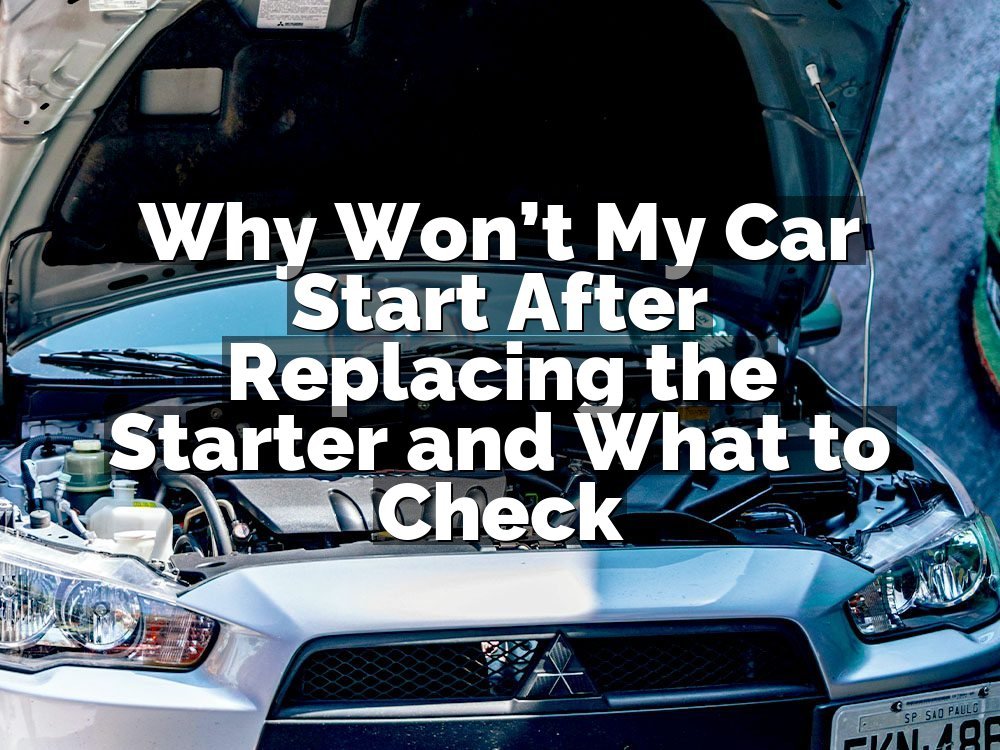
Pop the hood and look for the starter motor. It is usually bolted to the bottom of the engine. Look for the two thick copper studs on the back. One runs directly to the battery, and the other leads into the motor. These are the two points you need to jump together.
The Safety Check
Ensure the car is in park or neutral before you move. If the car jumps, you could get hurt. Set the parking brake as tight as you can. Tell anyone standing nearby to step back. You do not want hands or loose clothing near the belts when the engine starts.
The Spark Bridge
Touch the metal tip of your screwdriver across both studs. You will see a flash of light. Do not let go until the engine catches. The spark is normal, but it can be startling. Hold the tool firmly against the studs. If it does not crank, try to scrape the surface.
The Engine Crank
The starter will spin once you make a good connection. Keep the key in the start position while you bridge the studs. As soon as the engine fires, pull the tool away. Do not leave the tool touching the studs, or you will weld it to the metal.
The Aftermath
Once the engine is running, put your tools away. You just saved yourself a tow bill. Drive straight home or to a shop to fix the part. Do not turn the engine off until you reach a safe spot. You will likely need to repeat this to get it started again.
If the engine turns over but does not start, your problem is fuel or spark. Check your fuses. The solenoid is only for cranking the motor. Once the engine runs, you are safe.
- Put the car in park
- Engage the parking brake
- Use a sturdy screwdriver
- Bridge the two studs
- Expect a small spark
- Remove the tool fast
✅ See Also: How to Fix a Car Starter Grinding Noise
Will a Hammer Tap Help?
Sometimes the internal parts of the starter are just stuck. A light tap with a hammer can jar the plunger loose. This is a classic trick, and it works if the solenoid is only slightly jammed. Be gentle. You do not want to crack the casing or break the internal magnets.
Many older cars suffer from this exact issue. The heat from the engine causes the starter to bind up. You reach down with a long bar and give the metal body a sharp knock. Often, the car starts right up. This proves the starter is nearing the end of its life.
Do not expect this to work forever. It is a sign that the brushes are worn out. The motor is telling you that it needs a replacement soon. You might get a few more starts out of it, but do not rely on this method for long trips or cold mornings.
Keep a small hammer or a tire iron in your trunk. It is a simple tool that can get you out of a tough spot. If you find yourself tapping the starter every single day, just buy a new unit. Replacing the starter is much better than getting stranded.
- Use a light touch
- Aim for the starter body
- Do not hit the wiring
- Check for loose bolts
- Prepare for replacement
- Keep a hammer handy
Does Cleaning Connections Fix It?
Corrosion is the enemy of any electrical system. Your car uses a lot of power to start, and even a tiny bit of rust stops that flow. Check the negative battery cable first. It needs a clean path to the engine block. If that path is blocked, nothing happens.
Take a wire brush to the terminals. Remove any blue or white powder. This crusty stuff is acid, and it blocks electricity. Use a mix of baking soda and water to clean the area. This makes the surface bright and clean. It improves the flow of power to the solenoid.
Tighten every nut until it does not move. A loose cable acts like a resistor. It creates heat, and it ruins your ability to crank the motor. You might think the solenoid is dead, but a loose connection is often the real reason for the silence under your hood.
Always check the ground wire running to the frame. Many people forget this one. It carries the current back to the battery. If this connection is bad, the starter will never get enough juice to spin. Spend ten minutes with a wrench, and see if that fixes your issue.
- Remove all white crust
- Scrub with wire brush
- Use baking soda mix
- Tighten every single nut
- Check the frame ground
- Keep terminals very clean
Can You Jump Start a Bad Solenoid?
A jump start only helps if your battery is low. It will not fix a broken solenoid. If you hook up jumper cables and the car still just clicks, the solenoid is the problem. Do not waste your time trying to charge a battery that is already full.
Some people think a jump pack provides more power, so it might force a stuck solenoid to move. This rarely happens. The solenoid needs a specific voltage to trigger the internal coil. If the coil is burnt out, no amount of extra power will make it move.
If you are not sure if the battery is the cause, use a meter. A good battery should read above twelve volts. If your meter shows enough voltage, the battery is fine. You need to focus on the starter. Don’t blame the battery when the real part has failed.
If you have a friend with a jump pack, try it anyway. It is easy to hook up. If you hear that same click, you know for sure. It eliminates the battery as a suspect. Now you can move on to testing the starter, or using a bypass tool.
- Test with a meter
- Rule out the battery
- Check the starter cables
- Use a jump pack
- Listen for the click
- Focus on the solenoid
Should You Replace the Whole Starter?
Usually, the answer is yes. Replacing just the solenoid is a headache. You have to take the whole starter off anyway. Most of the time, the starter motor is just as old as the solenoid. It is a better use of your time to swap the whole unit.
Buying a rebuilt starter is often cheap. You get a brand new solenoid and new motor brushes in one box. It takes about an hour to swap. You just need a few basic tools. The car will start faster, and you will have peace of mind for years.
If you are on a budget, look for a used one at a salvage yard. Just make sure it spins before you buy it. Test it with a battery on the counter. If it sounds strong, it should work fine. This is a common way to save money on older vehicles.
Do not try to fix the internal parts of the solenoid unless you have to. It is precise work, and you need special parts. A new unit is almost always the better choice. You want the car to start every time you turn the key, so do it right.
- Buy a new unit
- Get a rebuilt starter
- Check for cheap parts
- Test before you install
- Avoid complex repairs
- Value your own time
Final Thoughts
I hope this helps you get home without a tow truck. Dealing with a dead car is stressful, but you have the power to fix it. Just stay safe, use your tools wisely, and keep an eye on your battery cables. You are doing great work under that hood. I know you can handle it. Let me know how it goes next time you turn that key.
| Part Name | Function | Common Failure |
|---|---|---|
| Battery | Power Source | Low Voltage |
| Starter Relay | Trigger Signal | Burnt Coil |
| Solenoid | Engage Gear | Stuck Plunger |
| Starter Motor | Crank Engine | Worn Brushes |
| Ground Cable | Return Path | Corrosion |
| Terminals | Connection Point | Loose Nut |
| Ignition Switch | Start Request | Bad Contact |
| Drive Gear | Engine Link | Chipped Teeth |
| Copper Studs | High Current | Pitted Metal |
| Housing | Main Casing | Cracked Shell |
Frequently Asked Questions
Is It Safe to Bypass the Solenoid?
It is safe if you are careful. The biggest danger is the car moving while you bridge the terminals. Always ensure the transmission is in park. Do not touch the screwdriver to any other metal part of the car body.
Can a Bad Solenoid Damage the Engine?
A bad solenoid will not hurt the engine itself. It only prevents the engine from cranking. However, keep the car in park at all times. The biggest risk is a short circuit, which can melt your wiring if you are not careful.
Are There Different Types of Starters?
Yes, some cars have the solenoid mounted on the starter, while others have it on the fender. The steps to bypass them are similar. You are always looking for the two main power studs to create a bridge with your metal tool.
Do All Cars Click When the Solenoid Fails?
Not always. Sometimes the solenoid is completely dead and makes no sound. If you hear nothing, check the ignition switch or the safety switch. Sometimes the car thinks it is in gear, so it refuses to send any signal at all.
Should I Clean the Terminals with Water?
Never use plain water. Use a mix of baking soda and water to neutralize the acid. Use a wire brush to scrub the metal until it is shiny. Dry it off with a clean rag before you reconnect the cables.
Will the Car Start If the Starter Motor is Burnt?
No. If the motor is burnt, you can bridge the solenoid all day and nothing will happen. You might see a spark, but the motor will not spin. In this case, you need to replace the entire starter assembly to fix it.
Does a Bad Solenoid Drain the Battery?
It can if the solenoid gets stuck in the closed position. This keeps the starter motor running even after the engine starts. If you hear a grinding noise after the engine fires, shut the car off immediately to save your battery.
Can I Start a Manual Car by Pushing?
Yes, you can pop the clutch in a manual car. Roll the car in neutral, put it in second gear, and let the clutch out quickly. This forces the engine to turn. It is a great way to avoid using the starter.