
That bright light on your dash is scary. You feel like the car will die right there on the road. Most people panic when they see it, but you should stay calm. I will show you how to find the root cause and handle the repair yourself without a huge shop bill.
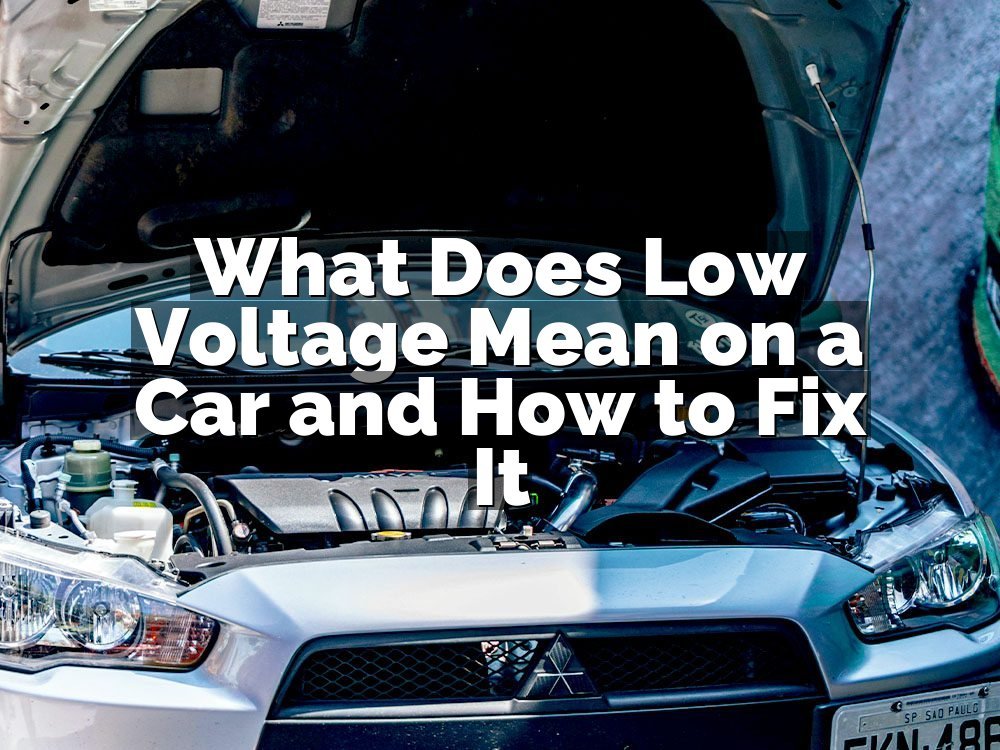
You must check your battery and belt immediately. If the light stays on, your car is running on the battery alone. It will die soon. Open the hood, check for loose wires, and test the battery voltage. You need to verify if the alternator is actually doing its job right now.
Why the Chevy Charging Light Appears
Your dashboard is a warning system. When that light pops up, the computer knows the system lacks power. I want to help you fix this mess, so follow these steps.
Dead Battery State
Most drivers think a light means a new battery. Often, the battery drains overnight because something stays on. Check your glove box light or trunk lamp. If these stay lit, they pull power even when the key is out. A simple test with a meter shows if the battery holds a charge.
Loose Belt Tension
The belt spins the alternator to create power. If it feels loose, the alternator cannot turn fast enough. You might hear a high screeching sound when you start the engine. Press the belt with your thumb. It should have very little slack. A tight belt keeps the system healthy and happy.
Bad Ground Wire
Electricity needs a path to travel back home. If the ground wire is rusted or broken, the power flow stops. This makes the computer think the system has failed. Look for thick black cables connected to the metal frame. Clean the rust off the ends to restore the flow of power.
Corroded Terminal Ends
White or blue crust on your battery posts blocks current. This gunk creates a wall that stops power from reaching the car. Mix baking soda with water and scrub it off with a brush. Tighten the clamps back down once clean. Good contact is the secret to a fast engine start.
Failed Alternator Unit
The alternator creates electricity while you drive. If the internal parts burn out, it stops making power. You might notice the headlights dim as you drive at night. This is a clear sign the part has quit. You need a new one to keep the car running for the long haul.
Blown System Fuse
Check the fuse box for any broken metal strips. A power surge can snap a fuse to protect your electronics. Look at the lid diagram to find the right one for charging. A cheap fuse swap often fixes the issue. It is a quick win for your home car repair project.
Fixing these parts takes patience and a bit of focus, so take your time with each step.
- Clean the battery posts
- Tighten the serpentine belt
- Check for loose ground
- Test the alternator voltage
- Inspect the fuse box
- Replace broken wires
Main Steps for Charging System Repair
The charging system keeps your car alive during every trip. When it fails, you have to act fast, so do not delay the repair work.
Battery Voltage Test
Grab a digital meter to check the battery. Set it to twenty volts DC. Touch the red probe to the positive post and the black to the negative. You want to see twelve point six volts with the engine off. This tells you if the battery has the strength to start the engine up.
If the number is below twelve, your battery is weak or empty. A low reading often causes the light to show up on the dash. You can try to charge it, but a bad battery might never hold a charge again. Replace it if the voltage drops quickly after a full, long charge.
Always check the connections while you have the meter out. A loose clamp gives a fake low reading. Wiggle the wires while looking at the screen. If the numbers jump, you have a bad connection. Clean the terminals and tighten them well to get a steady, solid reading every time.
Alternator Output Voltage
Start the engine and let it run steady. Keep the meter connected to the battery posts. Now you should see thirteen point five to fourteen point five volts. This increase means the alternator is working. If the number stays low, the alternator is likely not making any power at all.
You should turn on the headlights and the heater fan. This puts a load on the system. The voltage should stay above thirteen volts. If it drops down, your alternator is failing under load. This is a common alternator output voltage issue that requires a new part to fix.
Watch the screen closely as you rev the engine. The numbers should climb slightly as the RPMs increase. If they stay flat or drop, the internals are shot. This test is the best way to know if you need a new alternator or just a simple wire repair.
Belt Inspection Routine
Look at the belt while the engine is cold. Check for cracks or missing chunks of rubber. A worn belt slips against the pulleys. This slippage prevents the alternator from spinning at the right speed. Replace the belt if it looks dry, brittle, or cracked to prevent a breakdown.
Use a wrench to release the tensioner pulley. It usually has a square hole for your tool. Push it to create slack and slide the old belt off. Route the new belt around the pulleys exactly like the old one. Check the diagram under the hood to ensure it is correct.
Once the new belt is on, check the tension again. It should feel firm to the touch. Start the engine and listen for any weird slapping or squeaking noises. A good belt runs smooth and quiet. This small part is vital to the health of your whole charging system setup.
Cable Connection Cleanup
Corrosion hides in places you cannot see. Unbolt the thick cables from the battery and the engine block. Use a steel brush to scrub the metal until it shines bright. Sand down the contact points on the frame. This creates a clear path for the power to travel home.
Apply a light coat of grease to the clean posts. This blocks moisture and prevents new rust from forming. Put the clamps back on and tighten the nuts until they do not move. A tight, clean connection is the most overlooked fix for a persistent charging warning light.
Do not forget the small signal wire on the alternator. It tells the computer when to charge. If this wire is loose, the light will stay on forever. Pull it off and check for any green gunk. Clean it and plug it back in until it clicks in place.
Fuse Box Inspection
Open the fuse cover under the hood. Look for a fuse marked “ALT” or “GEN”. Pull it out with the plastic tool. Look at the thin wire inside the clear plastic window. If the wire is broken or looks black, the fuse is blown and needs a swap.
If the fuse looks okay, check for signs of melting. Sometimes the socket gets hot and burns the plastic. This causes poor contact and weird electrical behavior. You might need to clean the socket pins with electrical spray. A firm fit is needed for the power to pass through.
Keep a spare set of fuses in your glove box. They are very cheap and save the day when a simple surge happens. If you blow the same fuse twice, you have a short in the wires. Find that short before you keep burning through your stock of fuses.
Ground Point Cleaning
Find where the engine connects to the car body. These big braided wires are the main ground points. Remove the bolts and clean the surface with a file. You want bare metal on bare metal for the best ground. Tighten the bolts back down to stop the light.
Loose grounds are a nightmare for modern cars. They cause flickering lights and dashboard errors. You might think the computer is broken, but it is just a bad ground. Spend time cleaning every point you can find. It is a free fix that solves many strange electrical car problems.
Check for any wires that look burnt or melted. Sometimes a loose ground causes too much heat in the wrong place. Replace any damaged wire you find. A good ground system prevents electrical gremlins from ruining your drive. Keep these connections tight and clean for a happy, reliable car.
Take your time with these repairs to make sure you do not miss any small issues.
- Clean all battery terminals
- Tighten the drive belt
- Replace the blown fuse
- Sand down ground points
- Inspect the signal wires
- Test the output voltage
How Long Can I Drive with the Light On?
You really should not drive with the light on. Once the battery stops getting power, it only has a few minutes of juice left. You might make it five miles if you are lucky, but it usually dies much faster. The car will simply shut down when the voltage drops too low.
This is a dangerous situation because you lose power steering and brakes. I once ignored the warning light for days and ended up stuck on a dark highway. It was a miserable experience that I do not want you to repeat. If you see the icon, find a safe spot now.
Turn off the radio and the air conditioning to save energy. Every light and fan uses power that the battery needs to keep the engine running. Get to a shop or home as fast as you can. Do not wait for the car to tell you it has reached its limit.
- Pull over in a safe spot
- Turn off all extra electronics
- Check the belt for damage
- Look for loose battery cables
- Do not keep the engine running
- Call for a tow if needed
Is It the Battery or the Alternator?
It is easy to get these two mixed up. A bad battery usually fails to start the car in the morning. An alternator failure happens while the engine is actually running. If your car starts fine but the light comes on while driving, it is likely the alternator. If it refuses to start, look at the battery.
People often replace the battery when the real issue is the alternator output voltage being too low. This wastes money and leaves you with the same problem. Always test the battery first, then check the alternator output while the engine is running to be sure about the part.
A dead alternator will drain a brand new battery in minutes. Do not buy a new battery until you confirm the old one is bad. Use a multimeter to see if the system is charging correctly. If the voltage does not go up after starting, the alternator is almost certainly the culprit.
- Start the engine to test
- Look for low voltage readings
- Check for squealing belt sounds
- Watch for dimming headlights
- Smell for burnt plastic odors
- Test the battery with a meter
Will a Loose Belt Trip the Warning Light?
A loose belt is a very common reason for a charging light. If the belt does not spin the alternator pulley fast enough, the power output drops. The computer senses this lack of power and kicks on the light. It is a simple mechanical fix that saves you from buying parts.
You can often hear a belt that is too loose. It makes a sharp chirping sound when you rev the engine. If you see the light, pop the hood and push on the belt. It should have less than an inch of play. If it moves too much, the tensioner is the problem.
Some cars have an automatic tensioner that wears out over time. If the spring inside gets weak, it cannot hold the belt tight. Replacing the tensioner is a standard job. Once the belt is tight again, the alternator spins correctly and the light will turn off by itself.
- Listen for chirping sounds
- Push down on the belt
- Check the tensioner spring
- Look for cracked rubber
- Inspect the pulley alignment
- Replace the worn belt
What Happens When the Charging System Fails?
When the system fails, your car starts living on borrowed time. The battery is just a storage tank, not a power plant. Once the alternator stops putting out power, the car drains the battery to run the spark plugs and computer. The voltage drops until the engine simply quits moving.
This often leads to the engine sputtering and losing power. You might notice the dash lights flickering before everything goes dark. If you are on the highway, this is a major safety risk. Never keep driving once the warning light shows up on your dashboard screen.
You could also damage other parts by driving with low voltage. The fuel pump and ignition coils need a steady stream of power to work. Low voltage can cause these parts to overheat or fail. A quick repair now is much cheaper than replacing a fried computer or fuel pump later.
- Engine starts losing power
- Dashboard lights start flickering
- Radio stops working well
- Headlights get very dim
- Spark plugs misfire often
- Vehicle shuts down suddenly
Final Thoughts
I hope this guide helps you feel more confident under the hood. Dealing with a charging light is frustrating, but you have the tools to handle it now. Start with the easy things like cleaning terminals and checking belt tension. Most of the time, the fix is cheaper than you expect. If you need more help, just take it step by step. You can do this work yourself.
| Component | Status | Action Required |
|---|---|---|
| Battery | Low | Charge or Replace |
| Alternator | Failed | Replace Unit |
| Belt | Loose | Adjust Tension |
| Terminals | Corroded | Clean Surfaces |
| Fuse | Blown | Install New Fuse |
| Ground | Loose | Tighten Bolt |
| Signal Wire | Broken | Repair Wire |
| Tensioner | Weak | Replace Part |
| Pulley | Stuck | Replace Bearing |
| Battery | Healthy | Check Alternator |
Frequently Asked Questions
Is It Safe to Drive with the Battery Light On?
No, it is not safe to keep driving when this light is on. The car is currently using the remaining power in your battery to keep the engine running. Once that power is gone, the car will shut down completely and leave you stranded on the road.
Can a Bad Ground Cause the Charging Light?
Yes, a bad ground wire often triggers the warning light. If the electrical circuit cannot complete its path, the computer detects a loss of power. Cleaning your ground connections is a very effective way to fix this issue without needing to replace any expensive parts.
Are Most Charging System Problems Simple Fixes?
Many of these problems are actually quite simple to resolve. Loose battery cables, dirty terminals, and worn belts are common culprits. These parts cost very little and require basic tools. You do not always need a professional mechanic to get your car back on the road today.
Do I Need a Professional to Test the Alternator?
You do not need a professional for basic testing. A simple digital multimeter from any hardware store will tell you if the unit is working. By measuring the voltage while the engine is running, you can confirm if the alternator is creating the power it should produce.
Does the Charging Light Mean My Battery is Dead?
The light does not always mean the battery is dead. It means the charging system is not sending power to the battery. You could have a perfectly good battery that just needs an alternator to keep it charged up. Never buy a new battery until you test the system.
Should I Check the Fuses Before Replacing Parts?
You should always check the fuses first. A blown fuse is a cheap and fast fix that solves many electrical headaches. Look for any break in the metal strip inside the fuse. If you find one, replace it and see if the warning light goes away immediately.
Will a Squealing Belt Cause a Warning Light?
Yes, a squealing belt usually indicates that it is slipping on the pulleys. When it slips, it cannot spin the alternator at the required speed. This causes the power output to drop, which triggers the light on your dash. A tight belt usually solves this problem right away.
Can I Replace the Alternator by Myself?
You can replace the alternator yourself if you have basic hand tools. It usually involves removing the belt and a few mounting bolts. Take your time to document where each wire goes before you unplug them. This makes the installation of the new part much easier for you.