
That screech under the hood usually means trouble. Sometimes it is a dying serpentine belt. A broken one leaves you stranded, powerless, and pretty frustrated. I have been there. This article will show you the main culprits behind a broken serpentine belt and what you can do to prevent it from happening.
You need to regularly inspect your serpentine belt for damage, cracks, or fraying. Look for pulleys that wobble, make noise, or feel rough when you spin them by hand. A worn-out tensioner can also cause problems, letting the belt slip or break. Address any squeaks, chirps, or visible wear right away. Ignoring these signs will leave you on the side of the road with no power steering, no alternator, and an overheating engine.
What Does a Serpentine Belt Do
Your car has one main belt. It runs all the important parts like the alternator and power steering. When this belt snaps, everything stops. You are stranded.
Old Belt Wear
Belts just get old. The rubber gets hard and brittle from engine heat and time. You will start to see small cracks. These cracks show up across the ribs or on the back of the belt. Eventually, the belt loses its strength. It breaks.
Bad Pulley
Every accessory in your car uses a pulley. If one of these pulleys seizes up, it stops spinning. The belt tries to drag across it. This creates massive friction and heat. That quickly damages the belt. A stuck pulley will burn a flat spot onto the belt.
Tensioner Failure
The tensioner keeps the belt tight. If it fails, the belt gets loose. A loose belt can slip off the pulleys. It might also flap around. This causes it to fray. Eventually, it snaps. A bad tensioner can also seize up. It then acts just like a bad pulley.
Misaligned Pulleys
Sometimes a pulley gets bent. It might be installed wrong. The belt cannot run straight on it. This makes the belt rub against the edge of the pulley. It also rubs against other parts. This wears down one side of the belt very fast.
Fluid Leaks
Oil, coolant, or power steering fluid can drip onto the belt. These fluids are bad for rubber. They soften it up. They also make it swell. A softened belt loses its grip. It becomes weak. It frays and breaks much faster than a clean belt.
Road Debris
Things from the road can get caught in the belt. A small rock, a twig, or even plastic can jam between the belt and a pulley. This can shred the belt. It might also cause it to jump off. A belt shredded by debris usually shows clear cut marks.
You need to keep an eye on your belt. Do not wait for a loud screech to check it. A few minutes of looking can save you a big headache later.
- Look for cracks on the belt.
- Feel for looseness in the belt.
- Listen for squealing sounds.
- Watch for any wobbling pulleys.
- Check for fluid leaks near the belt.
- Note any unusual smells from the engine.
How to Inspect Your Serpentine Belt System
Let’s check your serpentine belt system. This is not a tough job. You can do it with simple tools. This will help you catch problems early.
Turn Off the Engine and Find the Belt
Make sure your car is completely off. The engine must be cool to the touch before you even think about touching anything near the belt. This is a crucial step for your safety. Never ever work on a running engine, not even for a quick inspection.
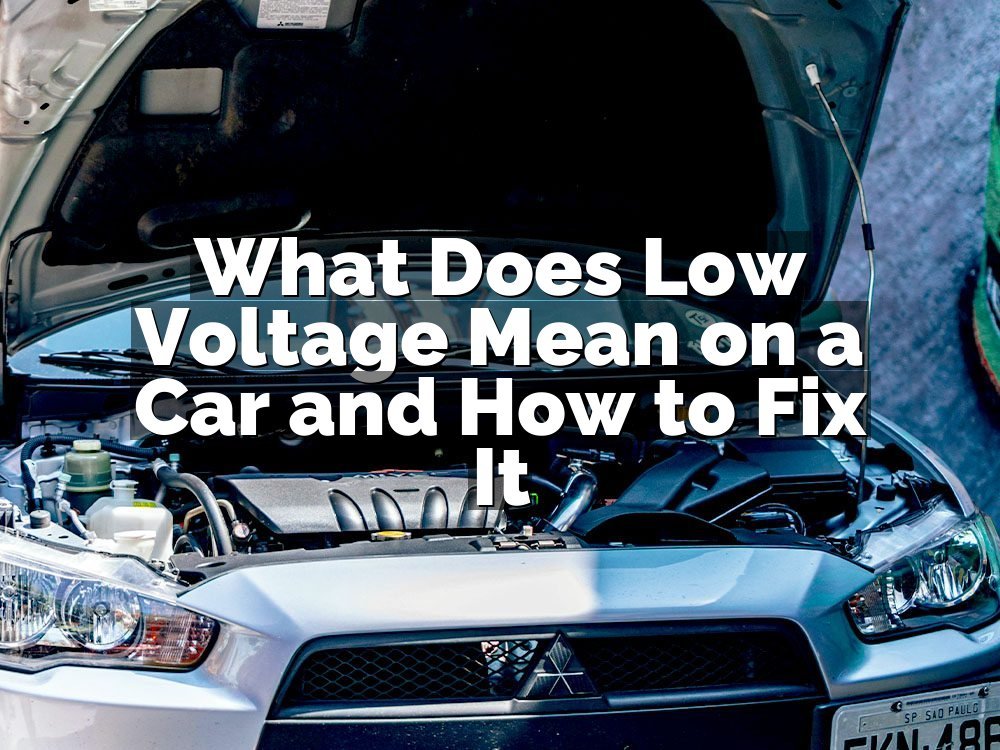
Open the hood and secure it properly. Then, locate the long, ribbed belt that snakes around several pulleys at the front of your engine. It is usually quite visible. Take a quick picture with your phone. This photo serves as a routing map, which will be super helpful if you ever need to replace the belt yourself.
You need good light to see everything clearly. Grab a strong flashlight if your garage is dim or if you are working outside at dusk. Make sure you can examine every single inch of the belt and all the pulleys it touches.
- Engine off and cool
- Locate the belt
- Take a reference photo
Check Belt Condition
First, look for cracks. Small cracks across the ribs are normal with age, but deep cracks or missing chunks are bad news. These indicate serious wear. You should also flip the belt over to check the smooth back side too, as it can show wear.
Next, feel the belt with your fingers. It should be firm but still flexible. If it feels greasy, soft, or excessively brittle, that is a clear sign of a problem. Also, carefully inspect the belt for any signs of fraying. A frayed belt is a ticking time bomb and is about to break.
Run your hand along the edges of the belt. Feel for any thinning or damage to the sides. If one side is worn more than the other, it often points to a misaligned pulley that is rubbing the belt unevenly.
- Look for deep cracks
- Feel for softness or brittleness
- Check for fraying edges
Inspect the Pulleys
Wiggle each pulley by hand. They should spin freely and smoothly. There should be absolutely no wobble or play in them. A wobbly pulley bearing is definitely failing, and it needs attention right away before it causes more damage.
Listen for noise when you spin them. A grinding or squeaking sound means the bearing inside is worn out. You might also feel roughness or resistance as the pulley turns, which is another bad sign.
Check for any signs of fluid leaks around the pulleys. Oil or coolant on a pulley means a seal is leaking somewhere nearby. This fluid will get on your belt. It will damage the rubber over time.
- Wiggle each pulley
- Listen for grinding or squeaking
- Look for fluid leaks
Test the Tensioner
Find the automatic tensioner. It usually has a spring-loaded arm. This arm keeps the belt tight. You should not be able to push it easily by hand. If it moves too much, its spring is weak.
A weak tensioner cannot keep the belt tight. This lets the belt slip. It often slips during acceleration or when you turn the steering wheel hard. A slipping belt makes a terrible screeching noise.
Some tensioners have a marking. This shows if they are still good. Check your car’s manual for this. If the indicator is outside the normal range, replace the tensioner.
- Check tensioner for movement
- Listen for belt slip
- Look for tensioner indicator marks
Look for Leaks
Carefully check the entire area around the belt. Look for any drips or stains on the engine block, frame, or under the pulleys. Power steering pumps, water pumps, and even valve covers can leak fluids directly onto the belt.
Even a small, slow leak can cause big trouble over time. These fluids, whether it is oil or coolant, break down the rubber. This makes the belt wear out much faster than its design intended.
Clean any leaks you find right away. More importantly, fix the source of the leak immediately. Otherwise, a brand new belt will just get damaged again very quickly.
- Check for oil stains
- Look for coolant drips
- Find the source of any leak
Replace When Needed
Do not try to stretch a bad belt. A cracked or frayed belt is a ticking time bomb. It will fail. And it will probably fail when you are furthest from home.
Replacing a belt is usually straightforward. Just follow the routing diagram you took a picture of. Make sure you get the right size and type of belt for your car.
If you are not comfortable doing it, take it to a trusted mechanic. At least you will know what needs doing. You will not get ripped off.
- Replace a damaged belt
- Use the correct belt size
- Consider professional help
Catching these problems early saves you a lot of grief. It is worth the small effort to check your belt system often. Trust me on this. It will save you from getting stranded and paying for a tow.
Can You Drive with a Bad Serpentine Belt
You can drive for a short time if your serpentine belt is just squealing or has minor cracks. This is a big gamble. The belt is close to failing. Every mile you drive is a risk. It could snap any moment.
If the belt breaks completely, your car loses power to many systems. The battery light will come on because the alternator stopped charging. Your power steering will go out. The steering wheel will become very hard to turn.
The water pump will also stop. This means your engine will start to overheat quickly. You might only have a few minutes before serious engine damage happens. Turn off the AC, radio, and anything else that uses power.
I know it is tempting to just get home. But if the serpentine belt breaks completely, you are stuck. Pull over somewhere safe. Call for a tow. Do not risk your engine over a few miles.
- Engine will overheat fast.
- Power steering stops working.
- Alternator stops charging battery.
- Car will eventually die.
- Air conditioning stops.
- Brakes may feel harder to press.
How to Tell If a Serpentine Belt is Bad
Listen to your engine. A high-pitched squeal, especially when starting the car, often means the belt is slipping. This is a common sign. It shows the belt is either worn, loose, or has fluid on it.
Look at the belt itself. Pop the hood. Inspect it with the engine off. Look for cracks on the ribbed side. Many cracks mean worse condition. Also check for fraying edges or missing chunks. A belt with chunks missing is about to fail.
Feel the belt. It should feel firm. If it feels mushy, sticky, or brittle, the rubber is breaking down. Push down on the belt between two pulleys. It should have some give. Half an inch of play is normal.
Check your dashboard lights. If the battery light flickers or stays on, it could be a bad alternator. It could also be a loose or broken serpentine belt. The belt drives the alternator, so no belt means no charge.
- Loud squealing from the engine.
- Cracks or fraying on the belt.
- Shiny or glazed surface on the belt.
- Grinding or chirping from pulleys.
- Dashboard battery light comes on.
- Loose feeling or excessive play in the belt.
What Happens If the Serpentine Belt Breaks
When your serpentine belt breaks, everything stops. The engine keeps running for a short time. But it has no power steering, no air conditioning, and no charging system. It is a big problem. This is usually a loud event.
First, your power steering will go out. The steering wheel will become very stiff. This happens especially at low speeds. You will need more muscle to turn the car. This can be dangerous in traffic.
Next, the alternator stops charging the battery. Your battery light will light up on the dash. The car runs on battery power only. This power runs out fast. You usually have about 15-30 minutes before the car dies.
Finally, the water pump also stops. Engine coolant stops flowing. This means your engine will overheat quickly. If you keep driving, you risk serious engine damage. Pull over right away.
- Sudden loud snapping sound.
- Loss of power steering.
- Dashboard battery light comes on.
- Engine temperature gauge rises fast.
- No air conditioning or heater.
- Car dies within minutes.
How Often Should You Replace a Serpentine Belt
Most car makers suggest replacing your serpentine belt every 60,000 to 100,000 miles. This is a general guide. Your driving habits and environment matter a lot. Hot climates or lots of city driving can wear it out faster.
It is smarter to inspect your belt regularly. Do not just rely on mileage. Check it every time you change your oil. Look for visible signs of wear. Cracks, fraying, or a glazed look are all red flags. Do not ignore them.
Some belts last longer, others less. I have seen belts snap at 40,000 miles. I have also seen some go for 120,000 miles. The condition of your pulleys and tensioner also makes a difference. They all work together.
If you hear squealing or see warning signs, replace the belt. Do not wait for it to break. Proactive replacement is always cheaper. It is also safer than dealing with a roadside breakdown.
- Every 60,000 to 100,000 miles.
- Inspect during every oil change.
- Look for cracks and fraying.
- Replace if it makes noise.
- Consider climate and driving style.
- Check condition of pulleys and tensioner.
Final Thoughts
I hope this guide helps you understand your serpentine belt better. It is a small part, but it keeps your car running. Knowing what to look for can save you a big headache and a lot of money. Do not ignore the warning signs. A quick check now can prevent a breakdown later. Stay safe out there on the road!
| Problem | Common Symptom | What It Means |
|---|---|---|
| Old, Worn Belt | Visible cracks, fraying | Rubber is brittle, lost strength |
| Failed Pulley Bearing | Squealing, grinding, wobble | Pulley is seized or loose |
| Weak Belt Tensioner | Loose belt, slipping, flapping | Not keeping belt tight enough |
| Fluid Leak onto Belt | Soft, swollen, shiny belt | Oil/coolant breaking down rubber |
| Misaligned Pulley | One-sided belt wear | Belt rubbing unevenly |
| Road Debris | Shredded belt, sudden snap | Object jammed in belt path |
| Overheating Engine | Temp gauge rising fast | Water pump stopped by broken belt |
| Loss of Power Steering | Hard to turn wheel | Power steering pump stopped |
| Dashboard Battery Light | Light stays on | Alternator not charging |
| Sudden Loud Snap | Car immediately stops | Belt has broken entirely |
Frequently Asked Questions
Is a Serpentine Belt Hard to Change?
It depends on your car. Some cars make it easy, with clear access and a simple tensioner. Other cars bury the belt, making it a frustrating job. With the right tools and a routing diagram, many people can do it themselves. Watch a few videos specific to your car model first.
Can I Drive My Car Without a Serpentine Belt?
No, you cannot. If your serpentine belt breaks, do not try to drive the car. You will lose power steering, the alternator will not charge the battery, and the water pump will stop. Your engine will overheat very quickly, leading to serious damage.
Are Serpentine Belts Expensive to Replace?
The belt itself is usually not very expensive, often between $20 and $60. The cost goes up if you need a new tensioner or pulleys too. Labor costs vary, but a mechanic might charge $100-$200 to replace just the belt, depending on the car.
Do All Cars Have a Serpentine Belt?
Most modern cars have one serpentine belt that drives all the accessories. Older cars might have multiple V-belts for different components. Some electric cars or hybrids might have different setups, but almost all gas-powered cars have a serpentine belt.
Does a Serpentine Belt Affect Air Conditioning?
Yes, it does. The serpentine belt powers the AC compressor. If the belt is broken, slipping, or the AC pulley is bad, your air conditioning will not work. You will only get warm air, even if your AC system is otherwise fine.
Should I Replace Pulleys When I Change the Belt?
It is a good idea to inspect them. If a pulley feels rough, makes noise, or wobbles, replace it. If your car has high mileage, replacing the tensioner and idler pulleys with the belt is often wise. They tend to wear out around the same time.
Will My Car Overheat If the Serpentine Belt Breaks?
Absolutely. The serpentine belt drives your water pump, which circulates coolant through the engine. If the belt breaks, the water pump stops, and the engine will overheat very quickly. This can cause severe and costly engine damage.
How Long Does a Serpentine Belt Last?
A serpentine belt usually lasts between 60,000 and 100,000 miles. However, this depends on driving conditions, engine heat, and whether there are any fluid leaks. Regular visual inspection is the best way to know when it is time for a new one.